The Blue Ridge Mountains stretch across Virginia, North Carolina, Georgia, and Tennessee, offering one of the most diverse leisure landscapes in the eastern United States. Whether you're looking for a cabin near trout streams, a motel off the Blue Ridge Parkway, or a resort with mountain views and a pool, knowing where to position yourself makes the difference between a relaxing trip and a logistical headache. This guide cuts through the noise and helps you choose the right property for your specific travel style and itinerary.
What It's Like Staying in the Blue Ridge Mountains
The Blue Ridge Mountains region covers hundreds of miles of terrain across four states, meaning your experience varies dramatically depending on which town you anchor yourself in. Car travel is non-negotiable - there is no regional rail or bus network connecting mountain towns, and most trailheads, waterfalls, and vineyards require driving on winding two-lane roads. Crowds concentrate heavily on fall weekends, particularly in October when foliage peaks, and advance booking during that window is critical - occupancy across the region can exceed around 95% at popular properties.
Leisure travelers benefit most from this region: hikers, anglers, road-trippers, wine-country explorers, and families seeking outdoor immersion will find strong value. Urban travelers expecting walkable dining districts or nightlife should manage expectations - most towns close early and services are spread out.
Pros:
- Exceptional access to outdoor activities: hiking, fishing, kayaking, horseback riding, and cycling are available within minutes of most hotels
- Significantly lower accommodation costs compared to coastal resort areas, especially midweek
- Low population density means quieter nights and genuinely dark skies for stargazing
Cons:
- A personal vehicle is essential - no public transport connects mountain towns or trailheads
- Dining options in smaller towns are limited after 9 PM, and grocery access can require a 20-minute drive
- Cell service and internet reliability vary significantly once you leave main highways like I-77 or I-81
Why Choose Leisure Hotels in the Blue Ridge Mountains
Leisure-focused hotels in the Blue Ridge Mountains are built around outdoor access rather than business amenities - the priority here is proximity to trails, rivers, and scenic drives, not conference rooms. Budget and mid-range properties dominate the market, with nightly rates at 2-star motels averaging well under $120, making extended stays genuinely affordable compared to resort towns in the Southeast. Room sizes tend to be generous by U.S. standards at this price point, often including kitchenettes or microfridges that allow self-catering and reduce dining costs on longer trips.
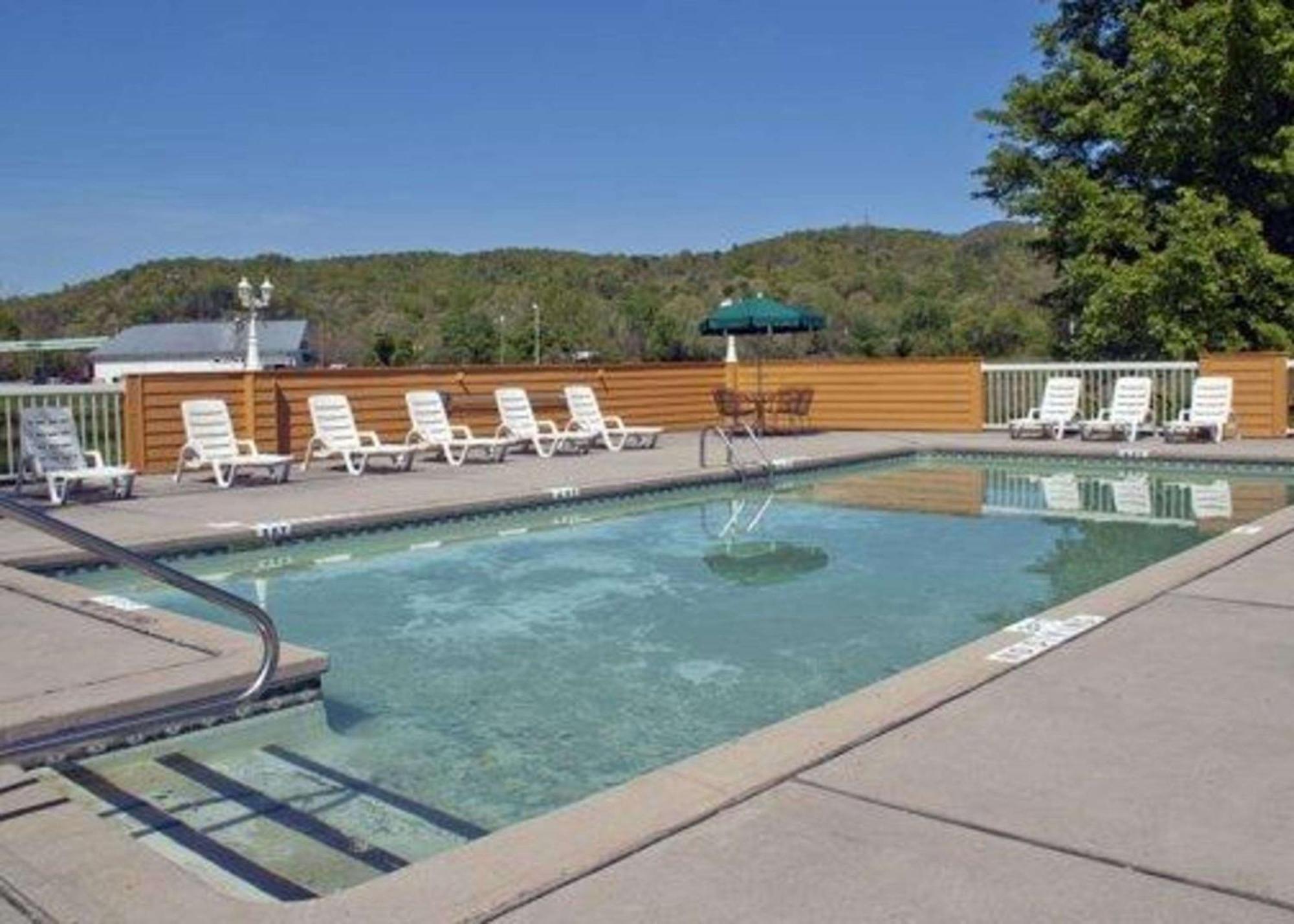
The trade-off is that true luxury is sparse outside of Lake Lure or Asheville's orbit - travelers expecting a spa, fine dining, and concierge-level service will find the selection thin. However, for active leisure travelers who spend most of the day outdoors, the practical amenities - free parking, free breakfast, pet-friendly policies, and outdoor pools - align perfectly with the actual needs of a mountain trip.
Pros:
- Free parking is standard across nearly all properties, eliminating a daily cost that adds up quickly on longer trips
- Pet-friendly options are far more common here than in urban hotel markets, making this region practical for travelers with dogs
- Many properties include free hot breakfast, which is genuinely useful when you're heading out early for a full day on the trail
Cons:
- Resort-level amenities like spas, fine dining, and concierge services are rare outside of a handful of upscale properties
- Fall foliage season drives prices sharply upward and rooms sell out weeks in advance, limiting last-minute flexibility
- Some budget properties in smaller towns have limited on-site dining, requiring a drive for every meal
Practical Booking & Area Strategy for the Blue Ridge Mountains
The Blue Ridge Mountains region spans multiple states, so your base town should be chosen based on your primary activities. Asheville, NC is the most connected hub with the widest dining and services, but it commands higher prices; surrounding towns like Andrews, NC, Dobson, NC, and Blue Ridge, GA offer far lower rates while keeping you within an hour of major attractions. If your trip centers on the Blue Ridge Parkway, positioning near Mount Airy or Dobson in North Carolina gives you immediate Parkway access without Asheville-level pricing.
For Virginia-based travelers, Radford and Dublin off I-81 are practical overnight stops with easy access to the New River Trail State Park and the Virginia wine corridor. The Nantahala National Forest area around Andrews, NC appeals to hikers, paddlers, and mountain bikers, with the Nantahala River drawing whitewater enthusiasts throughout summer. Lake Lure in NC adds swimming and kayaking on a scenic reservoir, while the Crumpler area in NC's High Country suits travelers seeking total seclusion. Book fall weekends at least 6 weeks in advance - October is the peak month across the entire corridor and rooms in popular towns are fully booked by early September.
Best Value Stays in the Blue Ridge Mountains
These properties offer strong practical value for active leisure travelers - free parking, trail proximity, and essential amenities at rates that leave budget for activities and dining out on the road.
-
1. Quality Inn Andrews
Show on map


Just a few rooms left at the best rate!
fromUS$ 92
-
2. Surry Inn - Dobson - I-77 - Exit 93
Show on map


Just a few rooms left at the best rate!
fromUS$ 90
-
3. Star Hotel Cleveland
Show on map


Just a few rooms left at the best rate!
fromUS$ 50
-
4. Americas Best Value Inn Blue Ridge
Show on map


Just a few rooms left at the best rate!
fromUS$ 81
-
5. Super 8 By Wyndham Radford Va
Show on map


Hurry – almost gone at this price!
fromUS$ 59
-
6. Knights Inn & Suites Dublin
Show on map


Hurry – almost gone at this price!
fromUS$ 89
-
7. Andrew Johnson Inn
Show on map


Hurry – almost gone at this price!
fromUS$ 48
-
8. Mount Airy Motel
Show on map


Rooms filling fast – secure the best rate!
fromUS$ 89
Best Premium Stays in the Blue Ridge Mountains
For leisure travelers wanting more than motel basics - resort facilities, cabin seclusion, or lakeside settings - these two properties deliver a meaningfully elevated experience in the Blue Ridge Mountains.
-
9. The Cabins At Healing Springs
Show on map


Rooms filling fast – secure the best rate!
fromUS$ 89
-
10. Mountain Loft Resort - Lake Lure, Nc
Show on map


Rooms filling fast – secure the best rate!
fromUS$ 159
Smart Travel & Timing Advice for Blue Ridge Mountains Hotels
The Blue Ridge Mountains have three distinct demand peaks that directly affect pricing and availability. October is the highest-demand month across the entire region - fall foliage draws massive crowds, particularly on weekends, and properties in Mount Airy, Blue Ridge, Andrews, and Lake Lure sell out within days of becoming available. Booking in October requires at least 6 weeks of lead time, and even midweek nights carry premium rates. Summer (June through August) is the second busiest period, driven by families on school break and outdoor enthusiasts targeting hiking and water activities - plan around 4 weeks ahead for summer weekends.
January through March is the quietest and most affordable window, with rates dropping sharply across budget and mid-range properties. Winter travel is not without appeal - skiing near Crumpler's High Country, empty trails, and genuinely uncrowded Parkway drives are real advantages for travelers comfortable with cold weather and occasional road closures. Spring (April-May) offers a strong middle ground: wildflower season is spectacular, temperatures are mild, and prices are lower than summer without the full winter exposure risk. A minimum of 3 nights is the practical baseline for a leisure trip - the drives between towns are significant, and compressing the itinerary into 1 or 2 nights means spending more time traveling than experiencing the region.